Understanding Perfume Notes
Top, middle, and base notes explained — and why the scent you spray at 9am evolves by dinner.
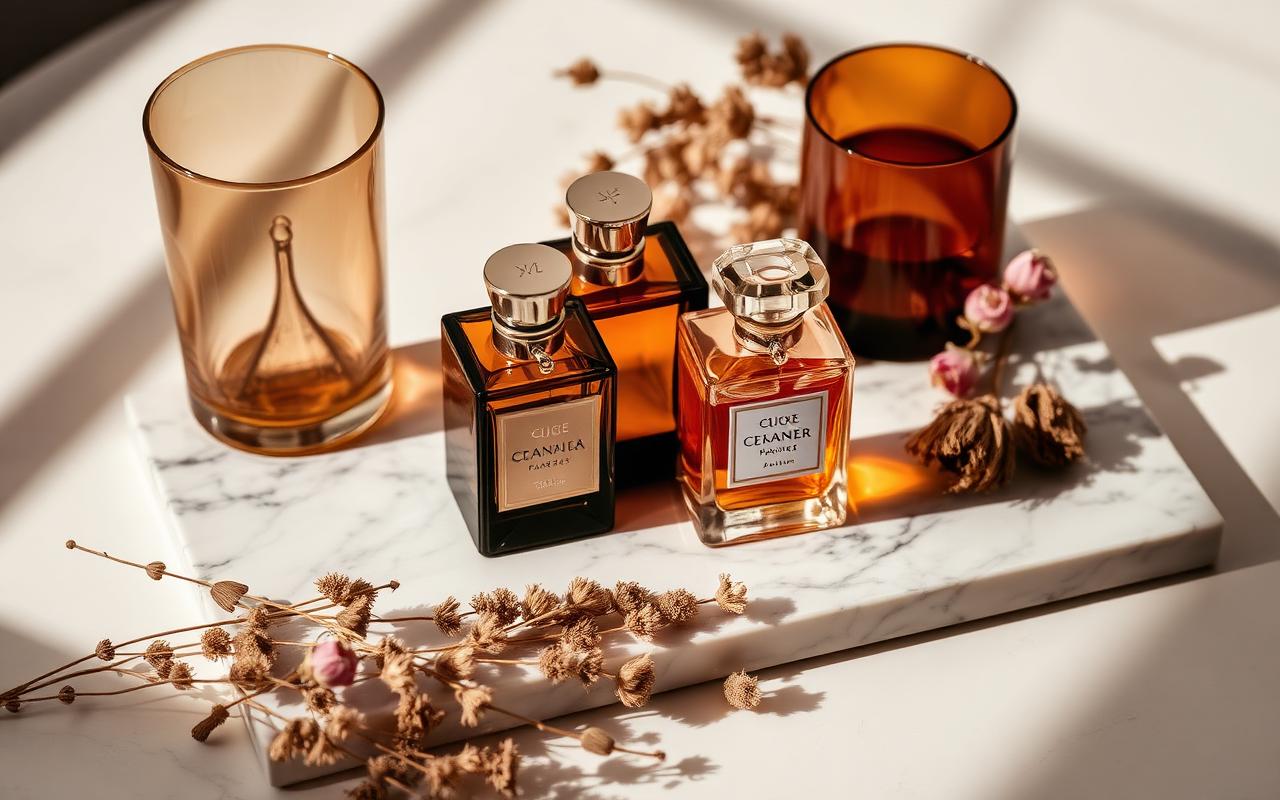
1. The Olfactory Pyramid
Fragrances evolve over time according to molecular evaporation rates. Top notes (citrus, light herbs, light fruits) evaporate within 15 minutes, offering the immediate initial impression.
Heart or middle notes (florals, spices, green tea) emerge over the next two hours, forming the core personality. Base notes (sandalwood, amber, musk, vanilla) anchor the fragrance, lingering on skin for up to 12 hours.
2. Pulse Points & Skin Hydration
Apply fragrance directly onto warm pulse points—wrists, inner elbows, base of the throat, and behind earlobes—where natural body heat assists fragrance diffusion.
Always hydrate skin with an unscented moisturizer before spraying. Dry skin absorbs fragrance oils rapidly, whereas hydrated skin locks in scent molecules for noticeably longer projection.
3. Preserving Fragrance Integrity
Fragrance oils are delicate and degrade quickly when exposed to direct light, extreme heat, or sudden humidity shifts.
Never store perfume bottles on open bathroom vanities. Keep them inside dark, temperature-stable drawers or closets to maintain their original scent profiles for years.
- Never rub your wrists together after spraying—friction tears top note molecules and alters the scent pyramid.
- Spritz perfume onto a wool scarf or hair ends for a subtle, long-lasting scent trail.
- Test new fragrances directly on your skin, not paper test strips, to see how they react with your natural chemistry.
Eau de Parfum contains higher fragrance oil concentration (15–20%) than Eau de Toilette (5–15%), offering longer wear time.
Skin pH levels, natural moisture levels, body temperature, and diet all subtly alter how fragrance notes develop.