Capsule Wardrobe Guide
Thirty intentional pieces, one hundred effortless outfit combinations, and zero morning decision fatigue.
1. Two Neutrals, One Accent
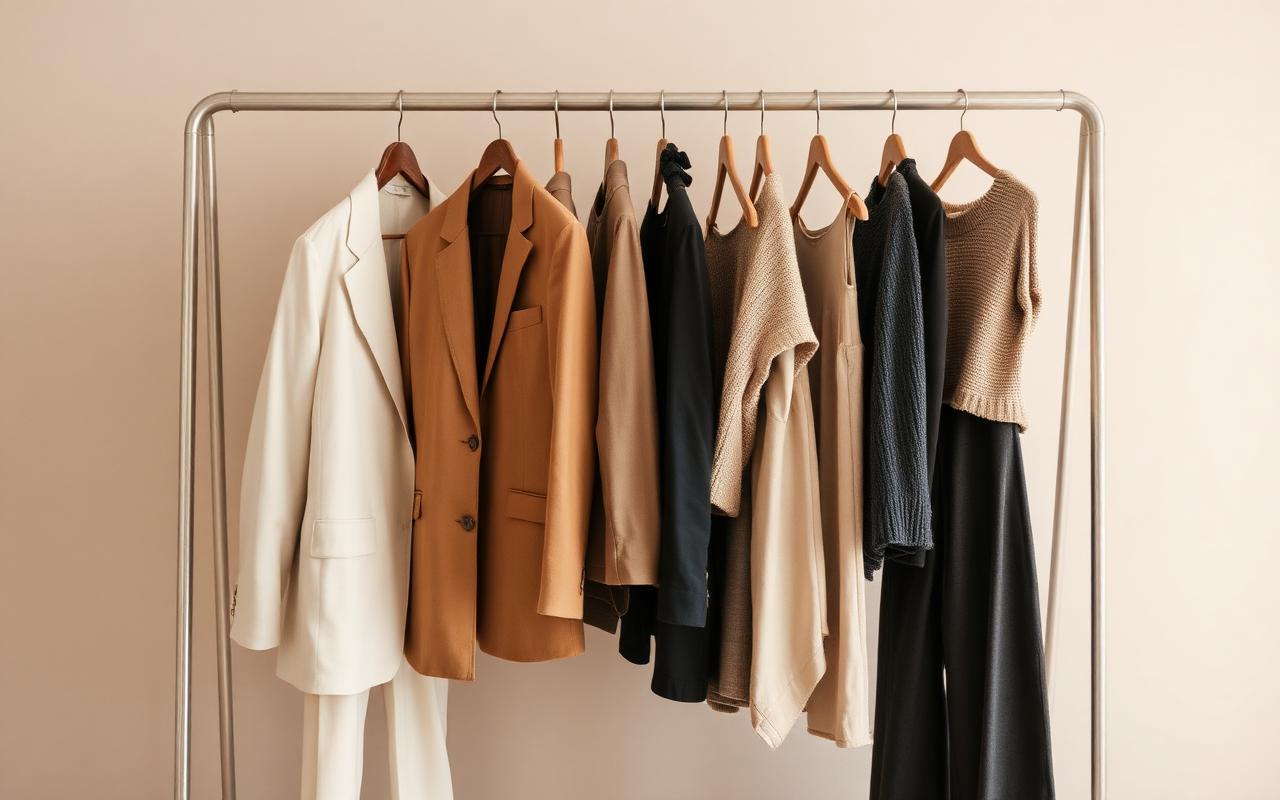
Building a minimalist capsule wardrobe begins with color discipline. Rather than collecting disjointed fast-fashion pieces, choose two core base neutrals (such as cream and charcoal, or camel and deep navy) alongside a single accent tone like muted olive, dusty rose, or terracotta.
When every top, trouser, and outer layer shares this base undertone, mixing and matching becomes frictionless. You can pull any top and bottom out blindly and trust that they work together naturally.
2. One Distinct Silhouette Per Category
Avoid silhouette duplication. You do not need four variations of slim-fit denim or three cropped cardigans. Instead, assign one signature silhouette to each clothing category: one wide-leg tailored trouser, one relaxed straight-leg denim wash, one ribbed midi skirt, and one boxy wool blazer.
Distinct structural silhouettes provide maximum contrast when re-combining layers across different outfits, making garment repetition look deliberate and elevated.
3. Natural Textiles Over Synthetic Trends
The longevity of a capsule collection relies entirely on textile quality. Natural, breathable fibers like organic linen, heavyweight combed cotton, merino wool, and mulberry silk retain their shape and drape through repeated wear.
Synthetic polyester blends trap moisture, pill after a few washes, and degrade quickly. Prioritize high-density natural fabrics that age gracefully and require fewer replacements over time.
- Buy less, tailor more — a $20 hem adjustment makes off-the-rack clothes fit like custom couture.
- Photograph outfit combinations that work well on your phone for easy reference on busy mornings.
- Rotate off-season items in breathable canvas storage bags rather than crowding your main wardrobe.
No. Workout gear, sleepwear, and specialized technical outdoor gear should be managed separately in dedicated drawers.
Audit your closet seasonally. A gentle rule of thumb is 'one piece in, one piece out' whenever an item wears beyond repair.